HISTORY

  • Vision and Mission
  • Course Outcome
  • Faculty

PROFILE

Vision

Envisions in developing world-class historians, ethical leaders, researchers, and scholars in
the field of History, driven by a rigorous curriculum, research, and experiential learning that empower
students to critically analyze the past and address contemporary societal challenges.

mission

  • To cultivate critical thinking, humanistic insight, and scholarly inquiry in both disciplinary and
    interdisciplinary contexts, equipping students with the skills to address real-world societal and cultural
    challenges.
  •  To foster an environment of continuous learning and growth for students, faculty, and stakeholders
    by promoting a culture of intellectual curiosity and collaboration through academic and research
    partnerships within the university and with esteemed national and international institutions.
  •  To develop highly skilled graduates capable of conducting innovative historical research and
    analysis, utilizing diverse methodologies to contribute meaningfully to the understanding of past and
    present societies.

COURSE OUTCOME

BOS (24 JUNE 2026-2027 - PEO, PO. CO, PSO OF I, II, V AND VI SEMESTERS)

Programme Educational Objectives (PEOs) -History, Economics and Sociology

Programme Educational Objectives (PEOs) Program Outcomes (POs)
PEO 1: Disciplinary Knowledge and Professional Competence

Graduates will acquire sound knowledge and analytical skills in History, Economics, Sociology and Psychology and apply them effectively to understand and address socio-economic and behavioural issues in a rapidly changing world.

PO1: Take informed actions after identifying the assumptions that frame our thinking and actions.

PEO 2: Inclusive Learning and Lifelong Development

Graduates will pursue higher education, careers, entrepreneurship, and lifelong learning by utilizing the opportunities provided through an inclusive and student-centric learning environment, with special emphasis on empowering first-generation learners.

PO2: Enhances critical thinking ability in students on various real-life situations around them.

PEO 3: Ethical Values, Gender Sensitivity, and Social Responsibility

Graduates will demonstrate ethical conduct, secular values, gender sensitivity, and social responsibility, and contribute to building an equitable, inclusive, and sustainable society as responsible citizens.

PO3: Inculcate essential communication skills for effective social interaction.

PEO 4: Leadership, Collaboration, and Communication

Graduates will demonstrate ethical conduct, secular values, gender sensitivity, and social responsibility, and contribute to building an equitable, inclusive, and sustainable society as responsible citizens.
PEO 5: Adaptability and Holistic Personality Development

Graduates will adapt to emerging technological, social, and professional changes by nurturing their innate potential, creativity, critical thinking, and commitment to continuous excellence.
SEMESTER/ TITLE OF THE COURSE Programme Specific Outcomes (PSOs) Course Outcomes (COs)
I SEMESTER – 26HIS11T

DSC 1: History of Ancient India (From Earliest Times to 1206 CE).
  • PSO1: Demonstrate knowledge of political, social, economic, and cultural developments in
    Indian history across different periods.
  • PSO2: Analyze historical sources, inscriptions, maps, monuments, and archaeological evidence using appropriate historical methods.
  • PSO3: Develop skills in historical research, heritage conservation, tourism, archival studies, and competitive examinations.
  • CO1: Explain the geographical features, sources, prehistoric cultures, and the origin, development, and decline of the Harappan Civilization.

    CO2: Analyze the political, social, economic, religious, and literary developments of the Vedic Age and evaluate the rise and contributions of Jainism and Buddhism.

    CO3: Assess the emergence and expansion of the Mauryan Empire, the administration of Chandragupta Maurya and Ashoka, the significance of Ashoka’s Dhamma, and the contributions of the Sangam Age and Kushanas.

    CO4: Examine the political, administrative, socio-economic, cultural, scientific, and educational developments under the Guptas, Harshavardhana, and the impact of the Arab conquest of Sindh and the invasions of Mahmud of Ghazni and Muhammad Ghori.

    CO5: Identify and interpret important historical sites, inscriptions, and political boundaries of Ancient India through maps and develop historical and geographical analytical skills.

Course Outcomes PO1 PO2 PO3
CO1 2 2 1
CO2 3 3 2
CO3 3 3 2
CO4 3 3 2
CO5 2 3 3
I SEMESTER – 26HIS12T

DSC 2: Introduction to Travel and Tourism Industry
  • PSO1: Understand the structure, components, and functioning of the travel and tourism industry.

  • PSO2: Apply tourism concepts for destination promotion, heritage interpretation, and tourism management.

  • PSO3: Develop professional skills required for careers in tourism, hospitality, heritage management, and related sectors.

  • CO1: Explain the historical development, concepts, types, and significance of travel and tourism, including the contributions of historical trade routes and travel accounts.

  • CO2: Describe the major components of the tourism industry, including the Five A’s of Tourism, transportation, accommodation, attractions, activities, and amenities.

  • CO3: Examine the role of tourism organizations and heritage branding initiatives in India and evaluate their contribution to tourism development.

CO–PO Mapping

Course OutcomesPO1PO2PO3
CO1231
CO2222
CO3332
II SEMESTER – 26HIS21T

DSC 3 – History of Karnataka (From Earliest Times to 1565 CE)
  • PSO1: Explain the evolution of Karnataka’s political history from the Satavahanas to the Vijayanagara and Bahamani kingdoms.

  • PSO2: Analyze historical sources, inscriptions, monuments, art, architecture, and maps related to Karnataka’s history using historical methods.

  • PSO3: Evaluate the contributions of Karnataka’s rulers, socio-religious movements, literature, and cultural traditions to Indian civilization.

  • PSO4: Apply historical knowledge in the fields of archaeology, heritage management, tourism, museums, archives, and competitive examinations.

  • PSO5: Demonstrate awareness of Karnataka’s rich cultural heritage and promote its preservation through responsible citizenship.

  • CO1: Explain the geographical setting, historical sources, and the political, social, economic, and cultural developments of the Satavahanas, Kadambas, and Gangas.

  • CO2: Analyze the political achievements, administration, literature, art, and architecture of the Badami Chalukyas, Rashtrakutas, and Kalyana Chalukyas.

  • CO3: Evaluate the contributions of the Hoysalas and Vijayanagara Empire with special reference to administration, economy, society, literature, art, and architecture.

  • CO4: Examine the emergence and contributions of the Bahamani and Adil Shahi kingdoms and assess the impact of socio-religious movements such as Advaita, Vishishtadvaita, Dvaita, Vachana, Dasa, and Sufism in Karnataka.

  • CO5: Identify and interpret the territorial extent of major Karnataka dynasties and locate important historical sites through maps, developing historical and geographical skills.

CO–PO Mapping

Course OutcomesPO1PO2PO3
CO1221
CO2332
CO3332
CO4332
CO5233
II SEMESTER – 26HIS22T

DSC 4: Tour Guide and Services
  • PSO1: Demonstrate comprehensive knowledge of tourism, heritage, culture, and tour guiding practices for effective destination interpretation and visitor management.

  • PSO2: Apply communication, leadership, hospitality, and problem-solving skills to deliver professional, ethical, and responsible tourism services.

  • PSO3: Develop entrepreneurial competencies by designing heritage walks, managing tour operations, and promoting sustainable and culturally sensitive tourism practices.

  • CO1 Explain the concepts, classification, roles, skills and professional attributes required for successful tour guide in the tourism and heritage industry.

  • CO2 Apply effective guiding techniques, communication skills, and operational procedures while managing tours, interpreting heritage sites, handling tourists, and ensuring quality visitor experiences. 

  • CO3 Analyze challenging situations in tour guiding, including emergency management, cultural differences, ethical responsibilities, and entrepreneurship for establishing a professional tour guiding business.

CO–PO Mapping

COPO1PO2PO3
CO1322
CO2232
CO3233
V SEMESTER – HIS51T

DSC 5: History of Karnataka (From 1565 CE to the Present)
  • PSO1: Demonstrate comprehensive knowledge of the political, administrative, socio-economic, cultural, and freedom movement history of Karnataka from 1565 CE to the present.

  • PSO2: Apply historical methods to analyze archival records, historical sources, maps, monuments, and contemporary issues related to Karnataka’s history, heritage, and governance.

  • PSO3: Develop professional competence in historical research, heritage conservation, museums, archives, tourism, teaching, and competitive examinations while promoting awareness of Karnataka’s historical and cultural legacy.

  • CO1: Explain the emergence and contributions of the Keladi Nayakas, Chitradurga Palegars, Yelahanka Nada Prabhus, Wodeyars, Hyder Ali, and Tipu Sultan, with special reference to their administration, economy, and military achievements.

  • CO2: Analyze the administration of Mysore under the British, the Wodeyars, and the contributions of administrators such as Mark Cubbon, Bowring, Sheshadri Iyer, Sir M. Visvesvaraya, and Mirza Ismail to the socio-economic development of Karnataka.

  • CO3: Evaluate the role of Karnataka in the Indian Freedom Movement, including major nationalist movements, political leaders, peasant movements, and social reform initiatives.

  • CO4: Examine the process of Karnataka Unification, the political and social reforms after Independence, land reforms, backward class movements, Dalit movements, and contemporary border and water disputes.

  • CO5: Identify and interpret the territorial extent of major kingdoms, centres of the Freedom Movement, and important historical places of Karnataka through maps, developing historical, geographical, and communication skills.

CO–PO Mapping

Course OutcomesPO1PO2PO3
CO1321
CO2332
CO3332
CO4332
CO5233
HIS52E1

DSC -6- History of Modern Europe (1500–1945 CE)
  • PSO1: Demonstrate comprehensive knowledge of the political, economic, social, intellectual, and cultural developments of Modern Europe and their influence on world history.

  • PSO2: Apply historical methods to analyze historical sources, maps, diplomatic developments, revolutions, wars, and ideological movements using critical and analytical approaches.

  • PSO3: Develop research, communication, and professional skills relevant to higher education, teaching, competitive examinations, heritage studies, museums, archives, and historical research.

  • CO1: Explain the causes, characteristics, and impact of the Geographical Discoveries and the Renaissance, with special reference to Humanism and the contributions of Renaissance thinkers and artists.

  • CO2: Analyze the causes, course, and consequences of the French Revolution, the rise and fall of Napoleon Bonaparte, the Congress of Vienna, and the nationalist movements leading to the unification of Italy and Germany.

  • CO3: Evaluate the causes, major events, and consequences of the First World War, the Russian Revolution, the Treaty of Versailles, the Great Depression, and the rise of Fascism and Nazism in Europe.

  • CO4: Examine the causes, course, and outcomes of the Second World War and assess its political, economic, and social impact on Europe and the world.

  • CO5: Identify and interpret major industrial centres, battlefields, and places of historical importance in Modern Europe through map work, developing historical, geographical, and analytical skills.

Course Outcomes PO1 PO2 PO3
CO1 2 2 1
CO2 3 3 2
CO3 3 3 2
CO4 3 3 2
CO5 2 3 3
HIS52E2

DSC -6- History of China and Japan Since 1900 A.D.
  • PSO1: Demonstrate comprehensive knowledge of the political, social, economic, and cultural developments of modern China and Japan and their significance in Asian and world history.

  • PSO2: Apply historical methods to analyze historical events, political ideologies, diplomatic relations, maps, and primary and secondary sources related to East Asian history.

  • PSO3: Develop research, analytical, communication, and interpretative skills for higher education, teaching, civil services, international studies, museums, archives, and competitive examinations.

  • CO1: Explain the transition of China and Japan to modernity, European intervention, the Open Door Policy, the Sino-Japanese War (1894–95), and the growth of nationalism in China.

  • CO2: Analyze the political developments in China, including the Revolution of 1911, the rise of the Kuomintang, the Chinese Communist Party, the leadership of Sun Yat-sen, Chiang Kai-shek, Mao Zedong, and the establishment of the People’s Republic of China.

  • CO3: Evaluate the emergence of Japan as a modern world power through the Meiji Restoration, imperial expansion, the Anglo-Japanese Alliance, the Russo-Japanese War, and Japan’s role in the World Wars.

  • CO4: Assess the political, economic, and social transformations in China and Japan during the twentieth century, including the Cultural Revolution, Allied Occupation of Japan, and post-war reconstruction.

  • CO5: Identify and interpret important historical places, centres of Western influence, Japanese conquests, and territorial changes in China and Japan through maps, developing historical and geographical analytical skills.

Course Outcomes PO1 PO2 PO3
CO1 2 2 1
CO2 3 3 2
CO3 3 3 2
CO4 3 3 2
CO5 2 3 3
HIS53E1

DSC -7-Introduction to Archives
  • PSO1: Demonstrate knowledge of archival science, record management, and preservation techniques for historical and cultural heritage.

  • PSO2: Apply archival methods to identify, organize, analyze, and interpret historical records for research, museums, archives, and heritage institutions.

  • PSO3: Develop professional competencies in archival administration, documentation, conservation, and communication for careers in archives, libraries, museums, and research organizations.

  • CO1: Explain the concept, scope, objectives, and significance of archives and distinguish between manuscripts, documents, records, libraries, and galleries.

  • CO2: Identify and classify the various physical forms of archival materials such as clay tablets, stone inscriptions, metal plates, palm-leaf manuscripts, paper records, photographs, maps, films, videotapes, and electronic records.

  • CO3: Describe the different types of archives and their functions in preserving historical and cultural records.

  • CO4: Examine the organization, functions, and importance of the National Archives of India, State Archives, and regional archives with special reference to the Karnataka State Archives (Vidhana Soudha).

  • CO5: Develop practical skills in handling, preserving, cataloguing, and interpreting archival materials for historical research and heritage conservation.

Course Outcomes PO1 PO2 PO3
CO1 2 2 1
CO2 2 3 2
CO3 3 3 2
CO4 3 3 2
CO5 3 3 3
HIS53E2

DSC -7-History of Communication in India
  • PSO1: Demonstrate knowledge of the historical development of communication systems, media, writing, and scripts in India.

  • PSO2: Apply historical methods to analyze communication sources such as inscriptions, manuscripts, folk media, performing arts, and other traditional and modern communication systems.

  • PSO3: Develop analytical, research, and communication skills applicable to history, heritage studies, media, museums, archives, tourism, and related professional fields.

  • CO1: Explain the concept, elements, types, and historical evolution of communication from primitive forms to writing, printing, and other early modes of communication.

  • CO2: Analyze the role of traditional and modern means of communication, including art, folk media, performing arts, and digital communication, in the dissemination of information and culture.

  • CO3: Examine the evolution of writing systems, scripts, inscriptions, and languages in India and evaluate their significance as sources of historical communication.

Course Outcomes PO1 PO2 PO3
CO1 2 2 2
CO2 3 3 3
CO3 3 3 3
HIS61T

DSC- 8- History of Contemporary India (1947 to the Present)
  • PSO1: Demonstrate comprehensive knowledge of modern and contemporary Indian history, political developments, constitutional processes, and socio-economic transformations.

  • PSO2: Apply historical inquiry, critical analysis, and interpretative skills to examine political, social, economic, and cultural developments in post-independence India using historical sources, maps, and evidence.

  • PSO3: Appreciate democratic values, constitutional principles, national integration, social justice, environmental sustainability, and cultural diversity while addressing contemporary issues through a historical perspective.

  • CO1: Explain the major political, constitutional, economic, and administrative developments in India from Independence, including the integration of princely states, linguistic reorganization, planning, and foreign policy.

  • CO2: Examine the evolution of India’s democratic and party system, including the dominance of the Congress, emergence of regional parties, Ambedkarism, Dalit movements, and constitutional politics.
  • CO3: Analyze the political transformations during the Indira Gandhi and Rajiv Gandhi eras, including the Emergency, coalition politics, and major national events that shaped contemporary India.
  • CO4: Evaluate the impact of globalization, communication technology, social and environmental movements, media, terrorism, and social justice on contemporary Indian society and politics.
  • CO5: Apply historical knowledge and map-reading skills to identify significant places, political developments, and events related to post-independence India while interpreting their historical significance.
Course Outcomes PO1 PO2 PO3
CO1 3 2 1
CO2 2 3 2
CO3 3 3 2
CO4 3 3 2
CO5 2 2 3
HIS62E1

DSC- 8- History of Contemporary India (1947 to the Present)
  • PSO1: Demonstrate comprehensive knowledge of major political, economic, diplomatic, and social developments in the contemporary world and their impact on international relations.

  • PSO2: Apply historical methods to analyze international organizations, global conflicts, diplomatic developments, maps, and contemporary world issues using primary and secondary sources.

  • PSO3: Develop research, analytical, communication, and interpretative skills applicable to higher education, teaching, civil services, international relations, diplomacy, and competitive examinations.

  • CO1: Explain the origin, objectives, achievements, and challenges of the United Nations and analyze the emergence of Cold War politics, military alliances, and the Non-Aligned Movement.

  • CO2: Analyze major international conflicts and regional cooperation initiatives, including the Cuban Missile Crisis, Middle Eastern conflicts, Afghan Crisis, ASEAN, SAARC, OPEC, Arab League, and the European Union.

  • CO3: Evaluate the emergence of Communist China, the Nuclear Arms Race, disarmament initiatives, the disintegration of the Soviet Union, the rise of a unipolar world, and contemporary terrorism.

  • CO4: Assess the role of international economic institutions and global initiatives, including the IMF, IBRD, World Bank, WTO, GATT, Liberalization, Privatization, Globalization, environmental protection, and human rights.

  • CO5: Identify and interpret important countries, international organizations, conflict zones, and historical places related to contemporary world history through maps, developing historical and geographical analytical skills.

Course OutcomesPO1PO2PO3
CO1221
CO2332
CO3332
CO4332
CO5233
HIS62E2

DSC-9- History of West Asia (1900 to the Present)
  • PSO1: Demonstrate comprehensive knowledge of the political, social, economic, and diplomatic history of West Asia and its significance in contemporary international relations.

  • PSO2: Apply historical methods to analyze international conflicts, diplomatic developments, political movements, maps, treaties, and historical sources related to West Asia.

  • PSO3: Develop research, analytical, communication, and interpretative skills for higher education, teaching, civil services, international relations, diplomacy, and competitive examinations.

  • CO1: Explain the social and intellectual awakening in modern West Asia, the impact of the First World War, the Peace Settlements, the Mandate System, and the emergence of modern Turkey under Mustafa Kemal Pasha.

  • CO2: Analyze the political, economic, and diplomatic developments in Iraq and Iran, including the rise of nationalism, major treaties, the Iran–Iraq War, the Kuwait War, American intervention, economic reforms, and the Oil Crisis.

  • CO3: Evaluate the growth of Arab Nationalism, the formation of the Arab League, Pan-Islamism, and the role of Saudi Arabia in the political and economic development of West Asia.

  • CO4: Assess the origins and consequences of the Zionist Movement, the Balfour Declaration, the establishment of Israel, the Arab–Israeli conflict, the Palestine Liberation Organization (PLO), and the Israel–Palestine Peace Process.

  • CO5: Identify and interpret the political boundaries, mandate territories, disputed regions, and important historical places of West Asia through maps, developing historical and geographical analytical skills.

Course OutcomesPO1PO2PO3
CO1221
CO2332
CO3332
CO4332
CO5233

BOS (24 JUNE 2026-2027 - PEO, PO. CO, PSO OF I, II, V AND VI SEMESTERS)

Programme Educational Objectives (PEOs) -History, Economics and Sociology Program Outcomes (POs) PROGRAMME SPECIFIC OUTCOME
  • PEO 1: Disciplinary Knowledge and Professional Competence Graduates will acquire sound knowledge and analytical skills in History, Economics, Sociology and Psychology and apply them effectively to understand and address socio-economic and behavioural issues in a rapidly changing world.
  • PEO 2: Inclusive Learning and Lifelong Development
    Graduates will pursue higher education, careers, entrepreneurship, and lifelong learning by utilizing the opportunities provided through an inclusive and student-centric learning environment, with special emphasis on empowering first-generation learners.
  • PEO 3: Ethical Values, Gender Sensitivity, and Social Responsibility
    Graduates will demonstrate ethical conduct, secular values, gender sensitivity, and social responsibility, and contribute to building an equitable, inclusive, and sustainable society as responsible citizens.
  • PEO 4: Leadership, Collaboration, and Communication
    Graduates will exhibit effective communication, leadership qualities, teamwork, and collaborative skills to work successfully in diverse professional and social environments.
  • PEO 5: Adaptability and Holistic Personality Development
    Graduates will adapt to emerging technological, social, and professional changes by nurturing their innate potential, creativity, critical thinking, and commitment to continuous excellence.
  • PO1: Take informed actions after identifying the assumptions that frame our thinking and actions.

  • PO2: Enhances critical thinking ability in students on various real-life situations around them.

  • PO3: Inculcate essential communication skills for effective social interaction.

SEMESTER/ TITLE OF THE COURSE PROGRAMME SPECIFIC OUTCOME Course Outcomes (COs)
I Semester- 26HIS11T

DSC 1: History of Ancient India (From Earliest Times to 1206 CE).
  • PSO1: Demonstrate knowledge of political, social, economic, and cultural developments in
    Indian history across different periods.
  • PSO2: Analyze historical sources, inscriptions, maps, monuments, and archaeological evidence using appropriate historical methods.
  • PSO3: Develop skills in historical research, heritage conservation, tourism, archival studies, and competitive examinations.
  • CO1: Explain the geographical features, sources, prehistoric cultures, and the origin, development, and decline of the Harappan Civilization.

  • CO2: Analyze the political, social, economic, religious, and literary developments of the Vedic Age and evaluate the rise and contributions of Jainism and Buddhism.

  • CO3: Assess the emergence and expansion of the Mauryan Empire, the administration of Chandragupta Maurya and Ashoka, the significance of Ashoka’s Dhamma, and the contributions of the Sangam Age and Kushanas.

  • CO4: Examine the political, administrative, socio-economic, cultural, scientific, and educational developments under the Guptas, Harshavardhana, and the impact of the Arab conquest of Sindh and the invasions of Mahmud of Ghazni and Muhammad Ghori.

  • CO5: Identify and interpret important historical sites, inscriptions, and political boundaries of Ancient India through maps and develop historical and geographical analytical skills.

26HIS12T

DSC 2: Introduction to Travel and Tourism Industry
  • PSO1: Understand the structure, components, and functioning of the travel and tourism industry.

  • PSO2: Apply tourism concepts for destination promotion, heritage interpretation, and tourism management.

  • PSO3: Develop professional skills required for careers in tourism, hospitality, heritage management, and related sectors.

  • CO1: Explain the historical development, concepts, types, and significance of travel and tourism, including the contributions of historical trade routes and travel accounts.
  • CO2: Describe the major components of the tourism industry, including the Five A’s of Tourism, transportation, accommodation, attractions, activities, and amenities.
  • CO3: Examine the role of tourism organizations and heritage branding initiatives in India and evaluate their contribution to tourism development.
  •  
Course Outcomes PO1 PO2 PO3
CO1 2 3 1
CO2 2 2 2
CO3 3 3 2
26HIS21T

DSC 3 – History of Karnataka (From Earliest Times to 1565 CE)
  • PSO1: Explain the evolution of Karnataka’s political history from the Satavahanas to the Vijayanagara and Bahamani kingdoms.

  • PSO2: Analyze historical sources, inscriptions, monuments, art, architecture, and maps related to Karnataka’s history using historical methods.
  • PSO3: Evaluate the contributions of Karnataka’s rulers, socio-religious movements, literature, and cultural traditions to Indian civilization.

  • PSO4: Apply historical knowledge in the fields of archaeology, heritage management, tourism, museums, archives, and competitive examinations.

  • PSO5: Demonstrate awareness of Karnataka’s rich cultural heritage and promote its preservation through responsible citizenship.

  • CO1: Explain the geographical setting, historical sources, and the political, social, economic, and cultural developments of the Satavahanas, Kadambas, and Gangas.

  • CO2: Analyze the political achievements, administration, literature, art, and architecture of the Badami Chalukyas, Rashtrakutas, and Kalyana Chalukyas.

  • CO3: Evaluate the contributions of the Hoysalas and Vijayanagara Empire with special reference to administration, economy, society, literature, art, and architecture.

  • CO4: Examine the emergence and contributions of the Bahamani and Adil Shahi kingdoms and assess the impact of socio-religious movements such as Advaita, Vishishtadvaita, Dvaita, Vachana, Dasa, and Sufism in Karnataka.

  • CO5: Identify and interpret the territorial extent of major Karnataka dynasties and locate important historical sites through maps, developing historical and geographical skills.

Course Outcomes PO1 PO2 PO3
CO1 2 2 1
CO2 3 3 2
CO3 3 3 2
CO4 3 3 2
CO5 2 3 3
II SEMESTER – 26HIS22T

DSC 4: Tour Guide and Services
  • PSO1: Demonstrate comprehensive knowledge of tourism, heritage, culture, and tour guiding practices for effective destination interpretation and visitor management.

  • PSO2: Apply communication, leadership, hospitality, and problem-solving skills to deliver professional, ethical, and responsible tourism services.

  • PSO3: Develop entrepreneurial competencies by designing heritage walks, managing tour operations, and promoting sustainable and culturally sensitive tourism practices.

  •  
  • CO1 Explain the concepts, classification, roles, skills and professional attributes required for successful tour guide in the tourism and heritage industry.

  • CO2 Apply effective guiding techniques, communication skills, and operational procedures while managing tours, interpreting heritage sites, handling tourists, and ensuring quality visitor experiences. 

  • CO3 Analyze challenging situations in tour guiding, including emergency management, cultural differences, ethical responsibilities, and entrepreneurship for establishing a professional tour guiding business.


Course OutcomesPO1PO2PO3
CO1322
CO2232
CO3233
II SEMESTER – 26HIS22T

DSC 4: Tour Guide and Services
  • PSO1: Demonstrate comprehensive knowledge of tourism, heritage, culture, and tour guiding practices for effective destination interpretation and visitor management.

  • PSO2: Apply communication, leadership, hospitality, and problem-solving skills to deliver professional, ethical, and responsible tourism services.

  • PSO3: Develop entrepreneurial competencies by designing heritage walks, managing tour operations, and promoting sustainable and culturally sensitive tourism practices.

  • CO1 Explain the concepts, classification, roles, skills and professional attributes required for successful tour guide in the tourism and heritage industry.

  • CO2 Apply effective guiding techniques, communication skills, and operational procedures while managing tours, interpreting heritage sites, handling tourists, and ensuring quality visitor experiences. 

  • CO3 Analyze challenging situations in tour guiding, including emergency management, cultural differences, ethical responsibilities, and entrepreneurship for establishing a professional tour guiding business.


Course OutcomesPO1PO2PO3
CO1322
CO2232
CO3233
V SEMESTER – HIS51T

DSC 5: History of Karnataka (From 1565 CE to the Present)
  • PSO1: Demonstrate comprehensive knowledge of the political, administrative, socio-economic, cultural, and freedom movement history of Karnataka from 1565 CE to the present.

  • PSO2: Apply historical methods to analyze archival records, historical sources, maps, monuments, and contemporary issues related to Karnataka’s history, heritage, and governance.

  • PSO3: Develop professional competence in historical research, heritage conservation, museums, archives, tourism, teaching, and competitive examinations while promoting awareness of Karnataka’s historical and cultural legacy.

  • CO1: Explain the emergence and contributions of the Keladi Nayakas, Chitradurga Palegars, Yelahanka Nada Prabhus, Wodeyars, Hyder Ali, and Tipu Sultan, with special reference to their administration, economy, and military achievements.

  • CO2: Analyze the administration of Mysore under the British, the Wodeyars, and the contributions of administrators such as Mark Cubbon, Bowring, Sheshadri Iyer, Sir M. Visvesvaraya, and Mirza Ismail to the socio-economic development of Karnataka.

  • CO3: Evaluate the role of Karnataka in the Indian Freedom Movement, including major nationalist movements, political leaders, peasant movements, and social reform initiatives.

  • CO4: Examine the process of Karnataka Unification, the political and social reforms after Independence, land reforms, backward class movements, Dalit movements, and contemporary border and water disputes.

  • CO5: Identify and interpret the territorial extent of major kingdoms, centres of the Freedom Movement, and important historical places of Karnataka through maps, developing historical, geographical, and communication skills.


Course OutcomesPO1PO2PO3
CO1321
CO2332
CO3332
CO4332
CO5233
HIS52E1

DSC -6- History of Modern Europe (1500–1945 CE)
  • PSO1: Demonstrate comprehensive knowledge of the political, economic, social, intellectual, and cultural developments of Modern Europe and their influence on world history.

  • PSO2: Apply historical methods to analyze historical sources, maps, diplomatic developments, revolutions, wars, and ideological movements using critical and analytical approaches.

  • PSO3: Develop research, communication, and professional skills relevant to higher education, teaching, competitive examinations, heritage studies, museums, archives, and historical research.

  • CO1: Explain the causes, characteristics, and impact of the Geographical Discoveries and the Renaissance, with special reference to Humanism and the contributions of Renaissance thinkers and artists.

  • CO2: Analyze the causes, course, and consequences of the French Revolution, the rise and fall of Napoleon Bonaparte, the Congress of Vienna, and the nationalist movements leading to the unification of Italy and Germany.

  • CO3: Evaluate the causes, major events, and consequences of the First World War, the Russian Revolution, the Treaty of Versailles, the Great Depression, and the rise of Fascism and Nazism in Europe.

  • CO4: Examine the causes, course, and outcomes of the Second World War and assess its political, economic, and social impact on Europe and the world.

  • CO5: Identify and interpret major industrial centres, battlefields, and places of historical importance in Modern Europe through map work, developing historical, geographical, and analytical skills.


Course OutcomesPO1PO2PO3
CO1221
CO2332
CO3332
CO4332
CO5233
HIS52E2

DSC -6- History of Modern Europe (1500–1945 CE)
  • PSO1: Demonstrate comprehensive knowledge of the political, social, economic, and cultural developments of modern China and Japan and their significance in Asian and world history.

  • PSO2: Apply historical methods to analyze historical events, political ideologies, diplomatic relations, maps, and primary and secondary sources related to East Asian history.

  • PSO3: Develop research, analytical, communication, and interpretative skills for higher education, teaching, civil services, international studies, museums, archives, and competitive examinations.

  • CO1: Explain the transition of China and Japan to modernity, European intervention, the Open Door Policy, the Sino-Japanese War (1894–95), and the growth of nationalism in China.

  • CO2: Analyze the political developments in China, including the Revolution of 1911, the rise of the Kuomintang, the Chinese Communist Party, the leadership of Sun Yat-sen, Chiang Kai-shek, Mao Zedong, and the establishment of the People’s Republic of China.

  • CO3: Evaluate the emergence of Japan as a modern world power through the Meiji Restoration, imperial expansion, the Anglo-Japanese Alliance, the Russo-Japanese War, and Japan’s role in the World Wars.

  • CO4: Assess the political, economic, and social transformations in China and Japan during the twentieth century, including the Cultural Revolution, Allied Occupation of Japan, and post-war reconstruction.

  • CO5: Identify and interpret important historical places, centres of Western influence, Japanese conquests, and territorial changes in China and Japan through maps, developing historical and geographical analytical skills.


Course OutcomesPO1PO2PO3
CO1221
CO2332
CO3332
CO4332
CO5233
HIS53E1

DSC -7-Introduction to Archives
  • PSO1: Demonstrate knowledge of archival science, record management, and preservation techniques for historical and cultural heritage.

  • PSO2: Apply archival methods to identify, organize, analyze, and interpret historical records for research, museums, archives, and heritage institutions.

  • PSO3: Develop professional competencies in archival administration, documentation, conservation, and communication for careers in archives, libraries, museums, and research organizations.

  • CO1: Explain the concept, scope, objectives, and significance of archives and distinguish between manuscripts, documents, records, libraries, and galleries.

  • CO2: Identify and classify the various physical forms of archival materials such as clay tablets, stone inscriptions, metal plates, palm-leaf manuscripts, paper records, photographs, maps, films, videotapes, and electronic records.

  • CO3: Describe the different types of archives and their functions in preserving historical and cultural records.

  • CO4: Examine the organization, functions, and importance of the National Archives of India, State Archives, and regional archives with special reference to the Karnataka State Archives (Vidhana Soudha).

  • CO5: Develop practical skills in handling, preserving, cataloguing, and interpreting archival materials for historical research and heritage conservation.


Course OutcomesPO1PO2PO3
CO1221
CO2232
CO3332
CO4332
CO5333
HIS53E2

DSC -7-History of Communication in India
  • PSO1: Demonstrate knowledge of the historical development of communication systems, media, writing, and scripts in India.

  • PSO2: Apply historical methods to analyze communication sources such as inscriptions, manuscripts, folk media, performing arts, and other traditional and modern communication systems.

  • PSO3: Develop analytical, research, and communication skills applicable to history, heritage studies, media, museums, archives, tourism, and related professional fields.

  • CO1: Explain the concept, elements, types, and historical evolution of communication from primitive forms to writing, printing, and other early modes of communication.

  • CO2: Analyze the role of traditional and modern means of communication, including art, folk media, performing arts, and digital communication, in the dissemination of information and culture.

  • CO3: Examine the evolution of writing systems, scripts, inscriptions, and languages in India and evaluate their significance as sources of historical communication.


Course OutcomesPO1PO2PO3
CO1222
CO2333
CO3333
HIS61T

DSC- 8- History of Contemporary India (1947 to the Present)
  • PSO1: Demonstrate comprehensive knowledge of modern and contemporary Indian history, political developments, constitutional processes, and socio-economic transformations.

  • PSO2: Apply historical inquiry, critical analysis, and interpretative skills to examine political, social, economic, and cultural developments in post-independence India using historical sources, maps, and evidence.

  • PSO3: Appreciate democratic values, constitutional principles, national integration, social justice, environmental sustainability, and cultural diversity while addressing contemporary issues through a historical perspective.

  • CO1: Explain the major political, constitutional, economic, and administrative developments in India from Independence, including the integration of princely states, linguistic reorganization, planning, and foreign policy.

  • CO2: Examine the evolution of India’s democratic and party system, including the dominance of the Congress, emergence of regional parties, Ambedkarism, Dalit movements, and constitutional politics.
  • CO3: Analyze the political transformations during the Indira Gandhi and Rajiv Gandhi eras, including the Emergency, coalition politics, and major national events that shaped contemporary India.
  • CO4: Evaluate the impact of globalization, communication technology, social and environmental movements, media, terrorism, and social justice on contemporary Indian society and politics.
  • CO5: Apply historical knowledge and map-reading skills to identify significant places, political developments, and events related to post-independence India while interpreting their historical significance.


Course OutcomesPO1PO2PO3
CO1321
CO2232
CO3332
CO4332
CO5223
HIS62E1

DSC- 8- History of Contemporary India (1947 to the Present)
  • PSO1: Demonstrate comprehensive knowledge of major political, economic, diplomatic, and social developments in the contemporary world and their impact on international relations.

  • PSO2: Apply historical methods to analyze international organizations, global conflicts, diplomatic developments, maps, and contemporary world issues using primary and secondary sources.

  • PSO3: Develop research, analytical, communication, and interpretative skills applicable to higher education, teaching, civil services, international relations, diplomacy, and competitive examinations.

  • CO1: Explain the origin, objectives, achievements, and challenges of the United Nations and analyze the emergence of Cold War politics, military alliances, and the Non-Aligned Movement.

  • CO2: Analyze major international conflicts and regional cooperation initiatives, including the Cuban Missile Crisis, Middle Eastern conflicts, Afghan Crisis, ASEAN, SAARC, OPEC, Arab League, and the European Union.

  • CO3: Evaluate the emergence of Communist China, the Nuclear Arms Race, disarmament initiatives, the disintegration of the Soviet Union, the rise of a unipolar world, and contemporary terrorism.

  • CO4: Assess the role of international economic institutions and global initiatives, including the IMF, IBRD, World Bank, WTO, GATT, Liberalization, Privatization, Globalization, environmental protection, and human rights.

  • CO5: Identify and interpret important countries, international organizations, conflict zones, and historical places related to contemporary world history through maps, developing historical and geographical analytical skills.


Course OutcomesPO1PO2PO3
CO1221
CO2332
CO3332
CO4332
CO5233
HIS62E2

DSC- 8- History of Contemporary India (1947 to the Present)
  • PSO1: Demonstrate comprehensive knowledge of the political, social, economic, and diplomatic history of West Asia and its significance in contemporary international relations.

  • PSO2: Apply historical methods to analyze international conflicts, diplomatic developments, political movements, maps, treaties, and historical sources related to West Asia.

  • PSO3: Develop research, analytical, communication, and interpretative skills for higher education, teaching, civil services, international relations, diplomacy, and competitive examinations.

  • CO1: Explain the social and intellectual awakening in modern West Asia, the impact of the First World War, the Peace Settlements, the Mandate System, and the emergence of modern Turkey under Mustafa Kemal Pasha.

  • CO2: Analyze the political, economic, and diplomatic developments in Iraq and Iran, including the rise of nationalism, major treaties, the Iran–Iraq War, the Kuwait War, American intervention, economic reforms, and the Oil Crisis.

  • CO3: Evaluate the growth of Arab Nationalism, the formation of the Arab League, Pan-Islamism, and the role of Saudi Arabia in the political and economic development of West Asia.

  • CO4: Assess the origins and consequences of the Zionist Movement, the Balfour Declaration, the establishment of Israel, the Arab–Israeli conflict, the Palestine Liberation Organization (PLO), and the Israel–Palestine Peace Process.

  • CO5: Identify and interpret the political boundaries, mandate territories, disputed regions, and important historical places of West Asia through maps, developing historical and geographical analytical skills.


Course OutcomesPO1PO2PO3
CO1221
CO2332
CO3332
CO4332
CO5233

III AND IV SEM SEPS – BOS- 29TH JULY 2025-26

Programme Educational Objectives (PEOs) Program Outcomes (POs) PROGRAM SPECIFIC OUT COME COURSE OUTCOME
  • PEO1 – Foundational Understanding of Medieval Indian Polity:
    To provide students with a comprehensive understanding of the political foundations, administrative systems, and dynastic developments of the Delhi Sultanate and Mughal Empires.

  • PEO2 – Analytical and Comparative Skills:
    To develop the ability to critically analyze the policies, governance, and socio-economic transformations introduced by medieval rulers and compare them across dynasties.

  • PEO3 – Cultural and Religious Awareness:
    To promote appreciation of the rich cultural synthesis during the medieval period through the study of art, architecture, literature, and the Bhakti–Sufi movements that shaped India’s pluralistic heritage.

  • PEO4 – Research and Ethical Historical Inquiry:
    To cultivate research aptitude and ethical understanding in interpreting historical sources, fostering informed perspectives on state formation, society, and cultural evolution in medieval India.
  • B.A HES (History, Economics, sociology)

  • PO1 – Holistic Competence: Enable students to go beyond employability by developing multitasking skills, balancing personal, professional, and academic responsibilities effectively.

  • PO2 – Informed Decision-Making: Empower students to make critical and informed decisions in social, political, and economic contexts.

  • PO3 – Modern Outlook: Foster a modern and analytical mindset, encouraging students to adapt to institutional and societal changes in a competitive environment.

  • PO4 – Confidence and Participation: Build and enhance students’ confidence to actively engage in developmental processes, promoting inclusive growth and equitable distribution of resources.

  • PO5 – Sustainable Resource Management: Instill the ability to utilize human and natural resources responsibly, promoting sustainable societal and environmental development.

  • PO6 – Civic and National Responsibility: Prepare students to contribute meaningfully to national and global agendas, fostering peace, progress, and prosperity.
  • At the end of the three year program History students will be able to:

  • PSO1 – Comprehensive Historical Insight: Analyze and interpret the social, economic, political, religious, and cultural aspects of past societies comprehensively.

  • PSO2 – Source-Based Understanding: Acquire expertise in historical sources and texts, and critically evaluate how historians interpret the past.

  • PSO3 – Medieval India Focus: Understand the major themes, concepts, chronology, and administrative, cultural, and political developments of Medieval India.

  • PSO4 – Comparative Analysis: Compare and contrast dynasties, rulers, art, architecture, and literature to assess cultural and administrative evolution.

  • PSO5 – Impact Assessment: Evaluate the positive and negative consequences of administrative and political reforms in historical contexts.

  • PSO6 – Governance and Administration: Examine and analyze the administrative systems, governance practices, and policies of medieval and modern India.

  • PSO7 – Research and Interpretation Skills: Develop historical research skills, write scholarly papers, and independently interpret historical events and sources.

  • PSO8 – Competitive Preparedness: Prepare students for competitive examinations and academic opportunities requiring historical knowledge and analytical abilities.

  • PSO9 – Nation-
    Building and Global Awareness:
    Promote civic responsibility, nation-building activities, peace, and international understanding through historical awareness.
  • At the end of the Course students will be able to: 


  • CO1: Analyze the political foundation and administrative evolution of the Delhi Sultanate under Iltutmish, Razia, Balban, Alauddin Khilji, and the Tughluqs. 


  • CO2: Evaluate the administrative experiments and economic reforms of the Tughluqs and the Mughal rulers from Babur to Aurangzeb. 


  • CO3: Critically assess the Mughal administrative systems — Mansabdari, Zabti, and Rajput policies — and their impact on governance. 


  • CO4: Examine the rise of the Marathas, the role of the Peshwas, and the political relations between the Mughals and Marathas. 


  • CO5: Interpret the socio-economic structures, Bhakti and Sufi movements, and the cultural synthesis that shaped Medieval Indian society.

SEMESTER/ TITLE OF THE COURSE PROGRAM EDUCATION OBJECTIVES (PEO’S) PROGRAM OUT COME PROGRAM SPECIFIC OUT COME COURSE OUTCOME
HIS41T

DSC-4 HISTORY OF MODERN INDIA (1498-1947 CE)
  • PEO1 – Foundational Historical Knowledge:
    To enable students to understand the key political, social, and economic developments in Modern India from the advent of Europeans to the attainment of Independence, providing a strong foundation for historical and cultural awareness.

  • PEO2 – Analytical and Critical Thinking:
    To develop analytical abilities for evaluating colonial policies, reform movements, and nationalist ideologies, enabling students to interpret historical events with evidence-based reasoning and multiple perspectives.

  • PEO3 – Ethical and Civic Awareness:
    To cultivate civic responsibility, moral integrity, and appreciation of India’s freedom struggle, inspiring students to contribute towards peace, justice, and inclusive national development.

  • PEO4 – Professional and Research Competence:
    To prepare students for advanced academic pursuits, research, and competitive examinations by enhancing their historical inquiry, communication, and critical analysis skills.
  • B.A HES (History, Economics, sociology)

  • PO1 – Holistic Competence: Enable students to go beyond employability by developing multitasking skills, balancing personal, professional, and academic responsibilities effectively.

  • PO2 – Informed Decision-Making: Empower students to make critical and informed decisions in social, political, and economic contexts through the study of historical developments.

  • PO3 – Modern Outlook: Foster a modern and analytical mindset, encouraging students to adapt to institutional and societal changes in a globalized world.

  • PO4 – Confidence and Participation: Build and enhance students’ confidence to actively engage in civic and national developmental processes.

  • PO5 – Sustainable Resource Management: Instill awareness of economic and social reforms in history to promote responsible use of resources for sustainable development.

  • PO6 – Civic and National Responsibility: Prepare students to contribute meaningfully to national integration, peace, and progress through an understanding of India’s freedom struggle and colonial experiences.
  • At the end of the three year program History students will be able to:


  • PSO1 – Historical Understanding: Demonstrate a clear understanding of the advent of European powers and their impact on India’s political and economic structures.


  • PSO2 – Political Transformation: Analyze the expansion of British dominion through wars, treaties, and administrative policies such as Subsidiary Alliance and Doctrine of Lapse.


  • PSO3 – Economic Interpretation: Evaluate the effects of British land settlements, commercialization of agriculture, and the drain of wealth theory on the Indian economy.


  • PSO4 – Social Awareness: Examine the socio-religious reform movements and their role in shaping modern Indian society and identity.


  • PSO5 – Rise of Nationalism: Understand the evolution of Indian nationalism through early, assertive, and revolutionary phases of the freedom movement.


  • PSO6 – Mass Movements and Gandhian Era: Assess the strategies and outcomes of major Gandhian movements and the role of Subhas Chandra Bose and INA in the struggle for independence.


  • PSO7 – Socio-Economic Impact: Identify the broader implications of colonial policies on famines, epidemics, tribal and peasant uprisings, and labour movements.


  • PSO8 – Analytical and Research Skills: Develop critical thinking, analytical, and interpretative skills for historical research and academic writing.


  • PSO9 – National Integration and Global Awareness: Foster a spirit of patriotism, peace, and international understanding through the study of India’s colonial and postcolonial journey.

  • At the end of the Course students will be able to: 
  • CO1– Describe the advent of European powers, their rivalries, and the establishment and expansion of British rule in India through major wars, alliances, and policies.

  • CO2– Analyze the colonial economy, including land revenue systems, commercialization of agriculture, drain of wealth, and socio-economic consequences on Indian society.
  • CO3– Evaluate the social and religious reform movements and their influence on Indian Renaissance and the rise of national consciousness.

  • CO4– Assess the evolution of Indian nationalism from early to assertive phases, and the role of revolutionary movements and Swadeshi in mobilizing the masses.

  • CO5– Critically examine the Gandhian era, major movements, Subhas Chandra Bose’s contribution, and the final phase leading to India’s independence and partition.

III AND IV SEM SEPS – BOS- 29TH JULY 2025-26

Programme Educational Objectives (PEOs) Program Outcomes (POs) PROGRAM SPECIFIC OUT COME COURSE OUTCOME
PEO 1: Foundational Understanding of Medieval Indian Polity:

To provide students with a comprehensive understanding of the political foundations, administrative systems, and dynastic developments of the Delhi Sultanate and Mughal Empires.

B.A HES (History, Economics, sociology)

PO1 – Holistic Competence: Enable students to go beyond employability by developing multitasking skills, balancing personal, professional, and academic responsibilities effectively.

At the end of the three year program History students will be able to:

PSO1 – Comprehensive Historical Insight: Analyze and interpret the social, economic, political, religious, and cultural aspects of past societies comprehensively.

At the end of the Course students will be able to: 

CO1: Analyze the political foundation and administrative evolution of the Delhi Sultanate under Iltutmish, Razia, Balban, Alauddin Khilji, and the Tughluqs.

PEO 2: Analytical and Comparative Skills:

To develop the ability to critically analyze the policies, governance, and socio-economic transformations introduced by medieval rulers and compare them across dynasties.

PO2 – Informed Decision-Making: Empower students to make critical and informed decisions in social, political, and economic contexts.

PSO2 – Source-Based Understanding: Acquire expertise in historical sources and texts, and critically evaluate how historians interpret the past.

CO2: Evaluate the administrative experiments and economic reforms of the Tughluqs and the Mughal rulers from Babur to Aurangzeb.

PEO 3: Cultural and Religious Awareness:

To promote appreciation of the rich cultural synthesis during the medieval period through the study of art, architecture, literature, and the Bhakti–Sufi movements that shaped India’s pluralistic heritage.

PO3 – Modern Outlook: Foster a modern and analytical mindset, encouraging students to adapt to institutional and societal changes in a competitive environment.

PSO3 – Medieval India Focus: Understand the major themes, concepts, chronology, and administrative, cultural, and political developments of Medieval India.

CO3: Critically assess the Mughal administrative systems — Mansabdari, Zabti, and Rajput policies — and their impact on governance.

PEO 4: Research and Ethical Historical Inquiry:

To cultivate research aptitude and ethical understanding in interpreting historical sources, fostering informed perspectives on state formation, society, and cultural evolution in medieval India.

PO4 – Confidence and Participation: Build and enhance students’ confidence to actively engage in developmental processes, promoting inclusive growth and equitable distribution of resources.

PSO4 – Comparative Analysis: Compare and contrast dynasties, rulers, art, architecture, and literature to assess cultural and administrative evolution.

CO4: Examine the rise of the Marathas, the role of the Peshwas, and the political relations between the Mughals and Marathas.

PEO 5: Adaptability and Holistic Personality Development

Graduates will adapt to emerging technological, social, and professional changes by nurturing their innate potential, creativity, critical thinking, and commitment to continuous excellence.

PO5 – Sustainable Resource Management: Instill the ability to utilize human and natural resources responsibly, promoting sustainable societal and environmental development.

PSO5 – Impact Assessment: Evaluate the positive and negative consequences of administrative and political reforms in historical contexts.

CO5: Interpret the socio-economic structures, Bhakti and Sufi movements, and the cultural synthesis that shaped Medieval Indian society.

PO6 – Civic and National Responsibility: Prepare students to contribute meaningfully to national and global agendas, fostering peace, progress, and prosperity.

PSO6 – Governance and Administration: Examine and analyze the administrative systems, governance practices, and policies of medieval and modern India.

PSO7 – Research and Interpretation Skills: Develop historical research skills, write scholarly papers, and independently interpret historical events and sources.

PSO8 – Competitive Preparedness: Prepare students for competitive examinations and academic opportunities requiring historical knowledge and analytical abilities.

PSO9 – Nation-Building and Global Awareness: Promote civic responsibility, nation-building activities, peace, and international understanding through historical awareness.

SEMESTER/ TITLE OF THE COURSE PROGRAM EDUCATION OBJECTIVES (PEO’S) PROGRAM OUT COME Programme Specific Outcomes (PSOs) Course Outcomes (COs)
HIS41T

DSC-4 HISTORY OF MODERN INDIA (1498-1947 CE)
  • PEO1 – Foundational Historical Knowledge:
    To enable students to understand the key political, social, and economic developments in Modern India from the advent of Europeans to the attainment of Independence, providing a strong foundation for historical and cultural awareness.

  • PEO2 – Analytical and Critical Thinking:
    To develop analytical abilities for evaluating colonial policies, reform movements, and nationalist ideologies, enabling students to interpret historical events with evidence-based reasoning and multiple perspectives.

  • PEO3 – Ethical and Civic Awareness:
    To cultivate civic responsibility, moral integrity, and appreciation of India’s freedom struggle, inspiring students to contribute towards peace, justice, and inclusive national development.

  • PEO4 – Professional and Research Competence:
    To prepare students for advanced academic pursuits, research, and competitive examinations by enhancing their historical inquiry, communication, and critical analysis skills.

B.A HES (History, Economics, sociology)

  • PO1 – Holistic Competence: Enable students to go beyond employability by developing multitasking skills, balancing personal, professional, and academic responsibilities effectively.

  • PO2 – Informed Decision-Making: Empower students to make critical and informed decisions in social, political, and economic contexts through the study of historical developments.

  • PO3 – Modern Outlook: Foster a modern and analytical mindset, encouraging students to adapt to institutional and societal changes in a globalized world.

  • PO4 – Confidence and Participation: Build and enhance students’ confidence to actively engage in civic and national developmental processes.

  • PO5 – Sustainable Resource Management: Instill awareness of economic and social reforms in history to promote responsible use of resources for sustainable development.

  • PO6 – Civic and National Responsibility: Prepare students to contribute meaningfully to national integration, peace, and progress through an understanding of India’s freedom struggle and colonial experiences.

At the end of the three year program History students will be able to:

  • PSO1 – Historical Understanding: Demonstrate a clear understanding of the advent of European powers and their impact on India’s political and economic structures.
  • PSO2 – Political Transformation: Analyze the expansion of British dominion through wars, treaties, and administrative policies such as Subsidiary Alliance and Doctrine of Lapse.

  • PSO3 – Economic Interpretation: Evaluate the effects of British land settlements, commercialization of agriculture, and the drain of wealth theory on the Indian economy.

  • PSO4 – Social Awareness: Examine the socio-religious reform movements and their role in shaping modern Indian society and identity.

  • PSO5 – Rise of Nationalism: Understand the evolution of Indian nationalism through early, assertive, and revolutionary phases of the freedom movement.

  • PSO6 – Mass Movements and Gandhian Era: Assess the strategies and outcomes of major Gandhian movements and the role of Subhas Chandra Bose and INA in the struggle for independence.

  • PSO7 – Socio-Economic Impact: Identify the broader implications of colonial policies on famines, epidemics, tribal and peasant uprisings, and labour movements.

  • PSO8 – Analytical and Research Skills: Develop critical thinking, analytical, and interpretative skills for historical research and academic writing.

  • PSO9 – National Integration and Global Awareness: Foster a spirit of patriotism, peace, and international understanding through the study of India’s colonial and postcolonial journey.

At the end of the Course students will be able to: 

  • CO1– Describe the advent of European powers, their rivalries, and the establishment and expansion of British rule in India through major wars, alliances, and policies.

  • CO2– Analyze the colonial economy, including land revenue systems, commercialization of agriculture, drain of wealth, and socio-economic consequences on Indian society.

  • CO3– Evaluate the social and religious reform movements and their influence on Indian Renaissance and the rise of national consciousness.

  • CO4– Assess the evolution of Indian nationalism from early to assertive phases, and the role of revolutionary movements and Swadeshi in mobilizing the masses.

  • CO5– Critically examine the Gandhian era, major movements, Subhas Chandra Bose’s contribution, and the final phase leading to India’s independence and partition.

FACULTY

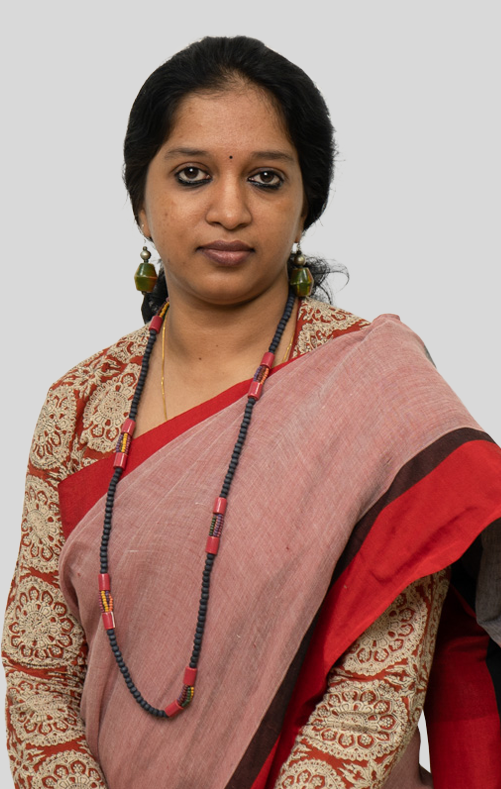
Ms. Ashwini S

Assistant Professor

M.A
ashwinis.nmkrv@rvei.edu.in